The Space-Saving Solution and Cozy Haven: Exploring the World of Bunk Beds
In homes where space is at a premium or where siblings share a space, bunk beds have actually long been a practical and versatile solution. Beyond their practical function, bunk beds have actually evolved considerably, offering a varied variety of designs, products, and configurations to fit various requirements and looks. From taking full advantage of floor space in compact apartment or condos to creating enjoyable and interesting environments for children, bunk beds are a furnishings staple that continues to adapt to modern living. This article dives into the world of bunk beds, exploring their benefits, various types, material factors to consider, safety elements, and how to pick the ideal bunk bed for your specific needs.
Bunk beds are basically 2 or more beds stacked vertically, one above the other. This easy yet innovative style unlocks valuable floor area, making them ideal for smaller bed rooms, dormitory, guest spaces, and even getaway leasings. However their appeal extends beyond mere practicality. Bunk beds use a distinct blend of performance, enjoyable, and even a touch of adventure, especially for children. They can transform a bedroom into a playful space, motivating imaginative play and fostering a sense of friendship between siblings or roommates.
The Multifaceted Benefits of Bunk Beds
The long-lasting popularity of bunk beds stems from a wide variety of benefits they offer. Let's check out some essential benefits:
- Space Optimization: This is perhaps the most considerable advantage. By stacking beds vertically, bunk beds free up significant flooring area. This newly found room can be utilized for other furnishings like desks, cabinets, play locations, or simply for more open area in the space. For smaller sized houses or shared bedrooms, this space-saving function is important.
- Cost-efficient: Compared to purchasing two different beds, purchasing a bunk bed can often be more cost-effective. This is particularly real for basic models. This cost-effectiveness makes bunk beds an affordable choice for households furnishing children's spaces or outfitting visitor spaces on a budget.
- Enjoyable and Engaging for Children: For kids, bunk beds are more than just sleeping plans; they're mini forts, castles, or perhaps ships! The novelty of oversleeping the leading bunk and the shared space with a sibling or friend can make bedtime more amazing and less of a task. Bunk beds can motivate imaginative play and produce a sense of experience within the bed room environment.
- Flexible Configurations: Bunk beds are no longer limited to the standard two-tiered style. Modern bunk beds been available in a range of setups, consisting of L-shaped, triple bunks, and loft beds, catering to different room layouts and spatial requirements. This flexibility makes sure that there's most likely a bunk bed design to fit most requirements and room dimensions.
- Guest Room Solution: Bunk beds are also an exceptional choice for visitor spaces. They can comfortably accommodate numerous visitors without taking up excessive space when not in use. This makes them perfect for vacation homes, cabins, or homes that regularly host visitors.
- Increased Storage Options: Many bunk bed develops incorporate built-in storage options. Some function drawers below the bottom bunk, while others include shelving units or even desks. This integrated storage even more enhances the space-saving advantages of bunk beds, offering practical options for company.
Checking Out the Diverse Types of Bunk Beds
The world of bunk beds is far more varied than one might at first envision. Here's an appearance at some common and popular types:
- Standard Bunk Bed: This is the most conventional and recognizable bunk bed style. It includes 2 single beds stacked directly on top of each other, linked by a ladder for access to the top bunk. This basic design is space-efficient and typically the most budget-friendly option.
- L-Shaped Bunk Bed: In this setup, the top bunk is put perpendicular to the bottom bunk, forming an "L" shape. This design produces a more open sensation in the space compared to basic bunks and typically supplies area beneath the leading bunk that can be utilized for a desk, storage, or a backyard. L-shaped bunks are exceptional for making the most of corner area.
- Triple Bunk Bed: As the name suggests, triple bunk beds include 3 beds stacked vertically. This is an ideal service for households with 3 children sharing a space or for maximizing sleeping area in dorm rooms or hostels. Triple bunks can be organized in a straight line or sometimes in an L-shape setup with 2 bunks on one side and one on the other.
- Futon Bunk Bed: This flexible alternative integrates a standard top bunk with a futon couch on the bottom. Throughout the day, the futon can be utilized as a seating location, and at night it can be folded out into a bed. Futon bunk beds are exceptional for rooms that require to function as both a bedroom and a home, such as in studio apartments or teen bed rooms.
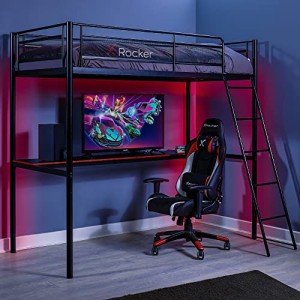
- Loft Bed: Technically a variation of a bunk bed, a loft bed includes a single bed elevated high enough to enable usable space underneath. This under-bed space is typically utilized for desks, cabinets, seating locations, and even small play zones. Loft beds are perfect for taking full advantage of vertical space and creating practical zones within a space.
- Novelty Bunk Beds: These are bunk beds developed with imaginative and spirited themes, typically resembling cars and trucks, castles, fire trucks, or other fun shapes. Novelty bunk beds are mainly targeted at more youthful children and can change a bed room into a whimsical and imaginative space. However, safety and construct quality ought to be carefully thought about when choosing novelty designs.
Material Matters: Choosing the Right Construction
Bunk beds are normally built from wood, metal, or engineered wood items. Each material offers different qualities in terms of sturdiness, aesthetic appeals, and price:
- Wood Bunk Beds: Solid wood bunk beds are known for their sturdiness, strength, and traditional visual appeal. They can be made from various kinds of wood like pine, oak, or maple, each with its own distinct look and cost point. Wood bunk beds tend to be sturdier and frequently have a more conventional or rustic style.
- Metal Bunk Beds: Metal bunk beds are typically more affordable and lightweight than wood choices. They are often built from steel or iron and can have a more contemporary or commercial look. Metal bunk beds are understood for their durability and ease of assembly, making them popular options for dormitory and budget-conscious buyers.
- Engineered Wood Bunk Beds: Engineered wood, such as plywood or MDF (Medium Density Fiberboard), offers a balance of cost and stability. These products are created by compressing wood fibers and resins, leading to a strong and uniform material. Engineered wood bunk beds can simulate the look of strong wood and are often more resistant to warping or breaking.
When choosing a material, think about aspects like budget, preferred style, toughness requirements, and individual preferences.
Prioritizing Safety: Essential Considerations for Bunk Beds
Safety is critical when it comes to bunk beds, specifically for children. Here are important security aspects to consider:
- Guardrails: The leading bunk must have strong guardrails on all sides to avoid falls. Guardrails should be adequately high and safely connected to the bed frame.
- Ladder Stability: The ladder should be robust, safely connected to the bunk bed, and designed with wide, non-slip steps for easy and safe climbing.
- Weight Capacity: Always check the manufacturer's weight capacity for both the top and bottom bunks and guarantee it is appropriate for the designated users. Going beyond weight limitations can jeopardize the structural stability and safety of the bunk bed.
- Proper Assembly: Follow the manufacturer's assembly guidelines thoroughly. Ensure all screws and bolts are tightened appropriately and that all parts are correctly set up. Incorrect assembly can result in instability and possible threats.
- Age Appropriateness: Bunk beds are generally not advised for children under the age of 6. Younger children may not have the coordination and awareness to securely climb and sleep in the leading bunk.
- Mattress Thickness: Use mattresses that are the appropriate thickness for bunk beds, as advised by the maker. Using mattresses that are too thick can lower the efficiency of the guardrails.
- Ceiling Height: Ensure sufficient ceiling height in the room to permit comfortable sitting area on the leading bunk, with adequate headroom to avoid bumping heads.
- Placement Away from Hazards: Position the bunk bed away from windows, ceiling fans, and lights to reduce prospective risks.
By carefully thinking about these security aspects, parents and caregivers can produce a safe and enjoyable bunk bed environment.
Picking the Perfect Bunk Bed for Your Needs
Choosing the best bunk bed includes thinking about numerous elements to ensure it fulfills your specific requirements and choices:
- Room Size and Layout: Measure the space measurements and consider the existing furniture layout to determine the suitable size and setup of bunk bed. L-shaped or loft beds might be much better suited for optimizing corner space in smaller sized spaces.
- Variety of Users: Consider the number of people will be using the bunk bed. Requirement, triple, or futon bunk beds use varying sleeping capacities.
- User Age and Abilities: For younger children, focus on security features and think about lower bunk bed heights. For older children or teens, loft beds with desk space may be more attractive.
- Style and Aesthetics: Choose a bunk bed design and product that matches the room's décor and individual choices. Consider wood finishes, metal colors, and general style.
- Budget plan: Bunk bed costs differ depending on material, type, and features. Set a budget plan and check out choices within that cost range, stabilizing affordability with quality and safety.
- Future Needs: Consider long-lasting requirements. Will the bunk bed be needed for several years? Will the children grow out of a novelty style quickly? Pick a bunk bed that will stay practical and appropriate as requirements progress.
By thoroughly assessing these elements, you can confidently select a bunk bed that is safe, functional, stylish, and perfectly suited to your area and lifestyle.
Keeping Your Bunk Bed for Longevity
Proper upkeep will guarantee your bunk bed remains safe and practical for several years to come. Frequently inspect for loose screws, bolts, or damaged parts. Tighten up any loose connections and address any wear and tear immediately. Tidy the bunk bed frame and ladder routinely with appropriate cleansing services based on the product. Motivate users to practice safe climbing practices and regard the weight limitations.
In conclusion, bunk beds are more than just space-saving furnishings; they are flexible options that use a range of benefits for households, shared living areas, and visitor spaces. From timeless designs to ingenious setups, bunk beds continue to progress, supplying practical and enjoyable options for taking full advantage of space and developing comfortable and engaging environments. By understanding the different types, products, safety considerations, and selection aspects, you can make a notified decision and select the perfect bunk bed to fulfill your special needs.
Often Asked Questions (FAQs) about Bunk Beds
Q1: Are bunk beds safe for children?
Yes, bunk beds can be safe for children when correct security precautions are followed. buy bunk beds uk has tough guardrails, a stable ladder, and is assembled correctly. Bunk beds are generally suggested for children aged 6 and older. Constantly monitor more youthful children around bunk beds and teach them safe climbing up practices.
Q2: What is the suggested age for sleeping on the top bunk?
Many producers suggest that children sleeping on the top bunk ought to be at least six years old. This is due to security concerns regarding coordination and the potential for falls in more youthful children.
Q3: What is the weight capacity of a common bunk bed?
Weight capacities vary depending upon the bunk bed design and materials. Constantly examine the producer's requirements. Generally, specific bunks can support anywhere from 200 to 250 pounds or more. Higher-quality, strong wood bunk beds frequently have greater weight capacities.
Q4: What type of bed mattress should I use for a bunk bed?
It's crucial to use bed mattress that are the right density for bunk beds, as suggested by the producer. Using mattresses that are too thick can decrease the efficiency of the guardrails and develop a security risk. Standard twin or full-size mattresses are frequently utilized for bunk beds, but constantly verify the suggested measurements.
Q5: Are bunk beds challenging to assemble?
Assembly trouble can differ depending upon the bunk bed design and your DIY skills. A lot of bunk beds feature comprehensive assembly directions. Following these instructions carefully is vital. Having a 2nd individual to assist with assembly can typically be helpful. If you are uneasy with DIY assembly, think about professional assembly services.
Q6: What materials are bunk beds usually made of?
Bunk beds are commonly made from wood, metal, or engineered wood products like plywood or MDF. Each material offers various qualities in regards to durability, looks, and cost. Wood bunk beds tend to be stronger and more traditional, while metal bunk beds are often more affordable and modern. Engineered wood offers a balance of cost and stability.